How to Create Accurate Bids and Estimates for Land Clearing Projects
Creating accurate bids and estimates is essential for land clearing contractors who want to stay profitable, win more jobs, and avoid costly surprises. With fluctuating fuel prices, equipment rental fees, labor costs, and site-specific challenges, even small miscalculations can lead to underbidding or lost contracts. A well-prepared bid not only secures the job but sets the foundation for a successful project.
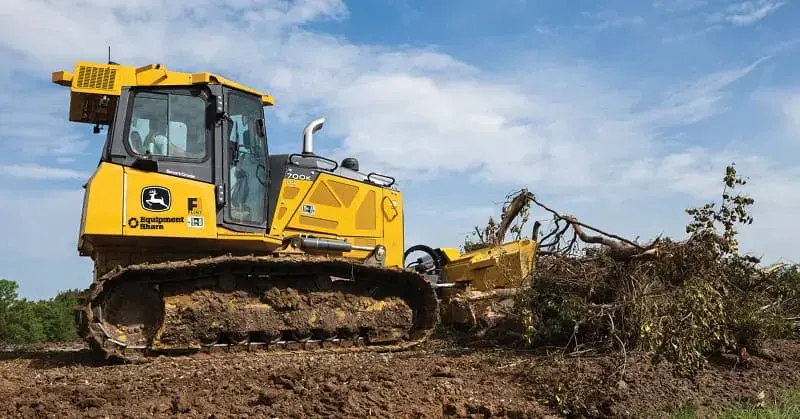
In this blog, we’ll explore proven strategies to create accurate bids and estimates for land clearing projects, and how Contractor Back Office supports contractors with estimating tools, CRM, invoicing, and admin services. We’ll also highlight how Excavating Insurance Partners protects contractors from financial risks tied to land clearing work.
Strategies to Create Accurate Bids and Estimates for Land Clearing Projects
1. Conduct a Detailed Site Assessment for Land Clearing Estimates
Before bidding, visit the site to evaluate terrain, vegetation density, and accessibility. Identify obstacles like stumps, rocks, or structures that may require extra effort. Note any environmental regulations or permit requirements that could affect cost and timeline. A thorough site visit ensures your estimate reflects real-world conditions.
2. Define the Scope of Work in Your Land Clearing Bid
Clarify whether the job involves full clearing, selective tree removal, brush control, or grading. Misunderstanding the scope leads to inaccurate pricing and client disputes. Include specific services and exclusions in your proposal to avoid scope creep and protect your margins.
3. Calculate Equipment Costs for Land Clearing Projects
List all machinery needed—bulldozers, excavators, mulchers—and factor in rental fees, fuel, transport, and maintenance. For example, renting a mulcher may cost $800/day, plus $200/day in fuel and wear. Include contingency for breakdowns or delays.
4. Estimate Labor Based on Project Complexity
Determine crew size and hours required. Include wages, overtime, and benefits. A dense forested area may require more workers and longer hours than a lightly wooded lot. Use historical data from similar jobs to improve accuracy.
5. Include Debris Disposal Costs in Land Clearing Estimates
Land clearing generates debris—trees, brush, stumps—that must be hauled, chipped, or burned. Estimate landfill fees, hauling costs, or recycling charges. Disposal can add $30–$50 per ton, depending on location and method.
6. Account for Permits and Regulatory Compliance
Some areas require environmental assessments, zoning permits, or erosion control plans. These can range from $50 to $500 or more. Include these in your estimate to avoid unexpected costs and delays.
7. Use Estimating Software for Land Clearing Contractors
Tools like Procor and SharpeSoft Estimator, help automate calculations, track materials, and generate professional proposals. These platforms reduce human error and save time.
8. Add a Realistic Profit Margin to Your Land Clearing Bid
After calculating direct and indirect costs, add a profit margin that keeps your bid competitive but profitable. Research local market rates to avoid pricing too high or too low. A margin of 15–30% is typical depending on risk and job size.
9. Present a Professional Land Clearing Proposal
Include a project overview, timeline, cost breakdown, terms, and visuals like site maps or photos. A well-organized proposal builds trust and sets you apart from competitors. Use templates or CRM-integrated tools to streamline this process.
10. Review and Adjust Your Estimate Before Submission
Double-check all figures, assumptions, and inclusions. If the client requests changes, update your bid and explain how it affects costs. Flexibility and transparency show professionalism and increase your chances of winning the job.
How Contractor Back Office Supports Land Clearing Contractors
Contractor Back Office helps land clearing contractors streamline their bidding and estimating process with:
Estimating support: We help build accurate, professional proposals.
CRM tools: Track leads, client communication, and job history.
Invoicing and bookkeeping: Align bids with financial goals and cash flow.
Phone support: We handle calls and inquiries so you never miss a lead.
Bids and templates: Access customizable templates to quote faster and smarter.

Protecting Land Clearing Contractors with Excavating Insurance Partners
Even with accurate bids, unexpected issues can arise. Excavating Insurance Partners offers coverage to protect your business:
General liability insurance: Covers property damage and third-party injuries.
Heavy equipment insurance: Protects your investment in bulldozers, mulchers, and excavators.
Workers’ compensation: Ensures your crew is covered in case of injury.
This coverage ensures financial stability even when projects face delays or disputes.

Conclusion
Creating accurate bids and estimates for land clearing projects is essential for profitability, client satisfaction, and long-term success. With smart strategies, support from Contractor Back Office, and protection from Excavating Insurance Partners, you can bid confidently, win more jobs, and grow your business.